
EU Pollinator Initiative: 4 Things Businesses Need to Know
The EU pollinator initiative and Nature Restoration Regulation are changing how organizations measure biodiversity. Discover 4 key insights on pollinator monitoring, EU-PoMS, and what businesses need to do before 2026.
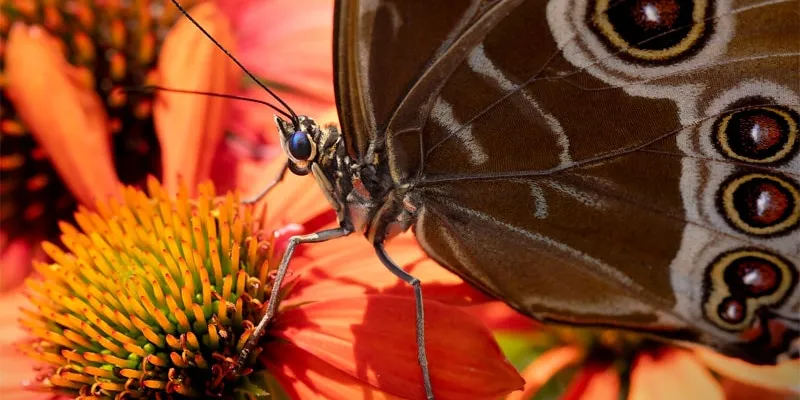
4 things you should know about Europe’s pollinator initiative
Wild pollinators, including bees, bumblebees, butterflies, and hoverflies, are now at the center of a major regulatory shift in Europe. What was once a biodiversity concern is quickly becoming a compliance and data challenge for both public authorities and businesses.
Here are four key insights to understand what is changing and why acting early matters.
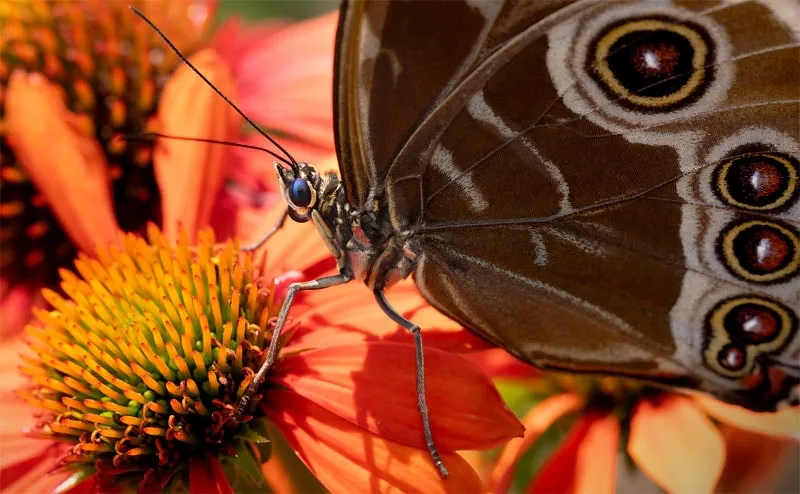
Credits : terski
1. Europe now has a binding law to restore pollinators
Since August 2024, the EU Nature Restoration Regulation (Regulation (EU) 2024/1991) has officially entered into force. This marks a turning point. It is the first legally binding framework dedicated to restoring ecosystems at scale.
One of its most concrete targets is clear. Member States must reverse the decline of wild pollinators by 2030 and implement standardized monitoring systems.
This regulation builds on the revised EU Pollinators Initiative, also referred to as the New Deal for Pollinators, published in January 2023. It structures action around three priorities:
- Improving knowledge of pollinator decline
- Improving pollinator conservation and tackling the causes of their decline
- Mobilising society and promoting strategic planning at all levels
2. Monitoring pollinators is no longer optional. It is structured and standardized
The regulation introduces obligations at multiple levels and creates a ripple effect across stakeholders:
- Member States must submit National Restoration Plans to the European Commission, with a draft due by September 2026 and a final version by September 2027
- By December 2026, they must implement the EU Pollinator Monitoring Scheme (EU-PoMS), a standardized protocol covering wild bees, bumblebees, butterflies, hoverflies, and other insects
- Large companies are indirectly impacted through CSRD (ESRS E4), requiring them to assess and disclose biodiversity impacts and dependencies, including pollinators
In other words, biodiversity, and pollinators specifically, is becoming measurable, comparable, and reportable.
3. Honeybees and wild pollinators: two complementary lenses
EU-PoMS focuses exclusively on wild pollinators. The honeybee (Apis mellifera), a managed and domesticated species, falls outside the scope of these regulatory obligations.
This does not diminish the value of honeybee-based monitoring. Quite the opposite: honeybees are powerful landscape biosamplers, providing continuous, large-scale data on floral diversity, pesticide pressure, and ecosystem quality, data that wild pollinator surveys alone cannot deliver.
The most complete picture combines both. Wild pollinator monitoring, including solitary bees, butterflies, and hoverflies, tells you about species presence and diversity. Honeybee-based monitoring tells you about the landscape they all depend on. Together, they answer different but complementary questions.
4. Implementation is uneven across Europe but the timeline is not
Some countries are ahead of the curve:
- Ireland has led since 2015 with the All-Ireland Pollinator Plan
- The Netherlands has developed a national strategy supported by a multi-stakeholder Bee Deal
- Germany has introduced binding legislation restricting pesticide use in protected areas
Others are still catching up and will need to accelerate efforts before the 2026 to 2027 deadlines.
Belgium, for example, has adopted a National Pollinator Strategy for 2021 to 2030, with regional initiatives already underway. A National Restoration Plan is currently in development to meet EU requirements.
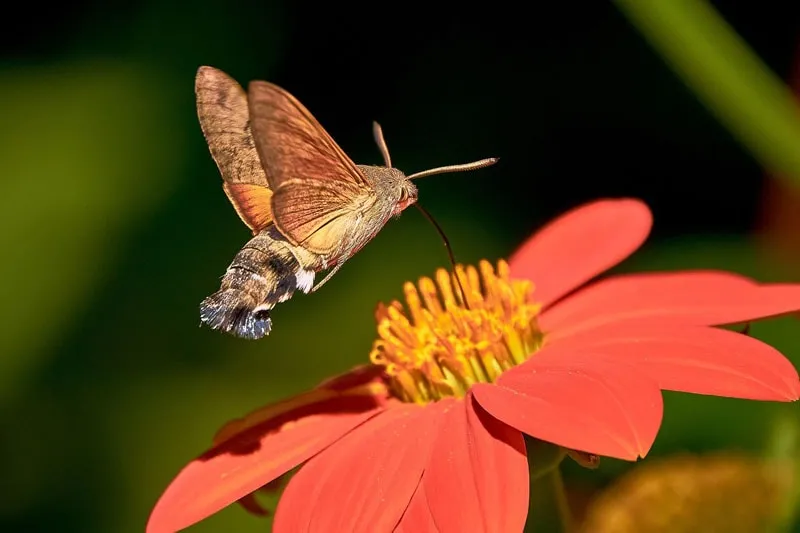
hummingbird hawk moth
What this means for your organization
For public authorities, the coming months are critical. They need to contribute to National Restoration Plans, define credible monitoring indicators, and implement measurable actions.
For companies, especially those subject to CSRD, the question is no longer whether to act, but how to measure and demonstrate real impact on biodiversity.
This is where robust, field-based data becomes essential.
At BeeOdiversity, our approach combines remote sensing, wild pollinator monitoring, and honeybees as landscape sensors, alongside eDNA analysis of pollen and soil. This allows organizations to generate site-specific, continuous, and comparable data over time.
This does not replace EU-PoMS, which remains the official framework for Member States, but complements it with actionable insights at site and value chain level.
Conclusion
Pollinators are no longer just an ecological topic. They are becoming a regulatory, strategic, and operational priority. Organizations that start measuring today will be far better positioned to act, report, and lead tomorrow.
Ready to understand what this regulation means for your sites, supply chain, or restoration strategy? Get in touch.