The founders
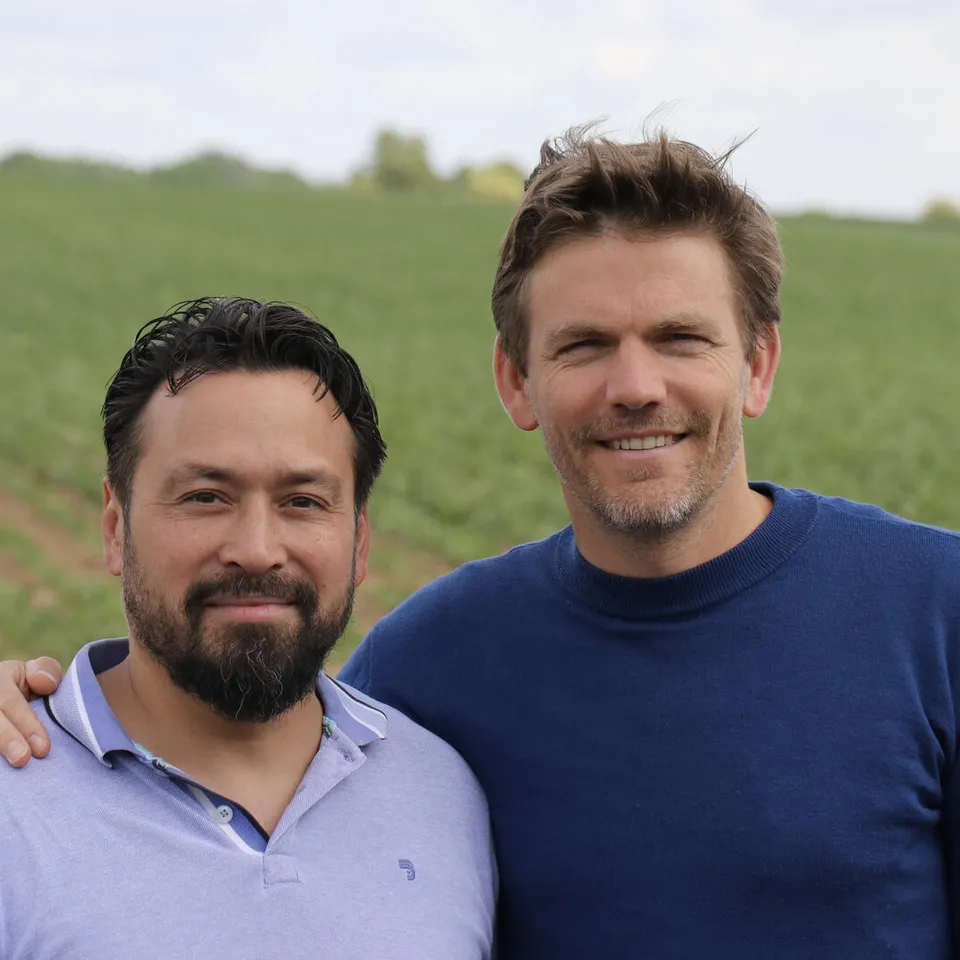
When Dr Bach Kim Nguyen and Michaël van Cutsem met, they came from very different worlds. Kim was assistant to the Vice-Rector at Gembloux Agro-Bio Tech (University of Liège), leading research on biodiversity, future food systems and entomology — and already a globally recognised expert on honeybee decline. Michaël had a background in business law and executive coaching, helping companies grow.
At the time, environmental issues were almost exclusively managed by public bodies and NGOs. Kim and Michaël shared four convictions that would shape BeeOdiversity:
- Solving biodiversity loss requires engaging all stakeholders — including businesses — rather than opposing them.
- Biodiversity is perceived as a constraint and a cost by companies, when it should be seen as a must, an opportunity, and a source of value.
- Societal and innovative entrepreneurship is the best way to reach businesses, drive innovation, and scale solutions globally.
- Nature itself is a source of low-tech solutions we need to return to.
The early days and the pivot
In 2012, they founded BeeOdiversity with a first model: producing honey and allocating the profits to bee and biodiversity protection. It didn’t work. The model was financially fragile and, paradoxically, generated negative environmental impact through production, import/export and packaging. By 2014, BeeOdiversity was financially unsustainable. All that remained were 60 honeybee colonies — and a conviction that needed a better vehicle.
From science to solution
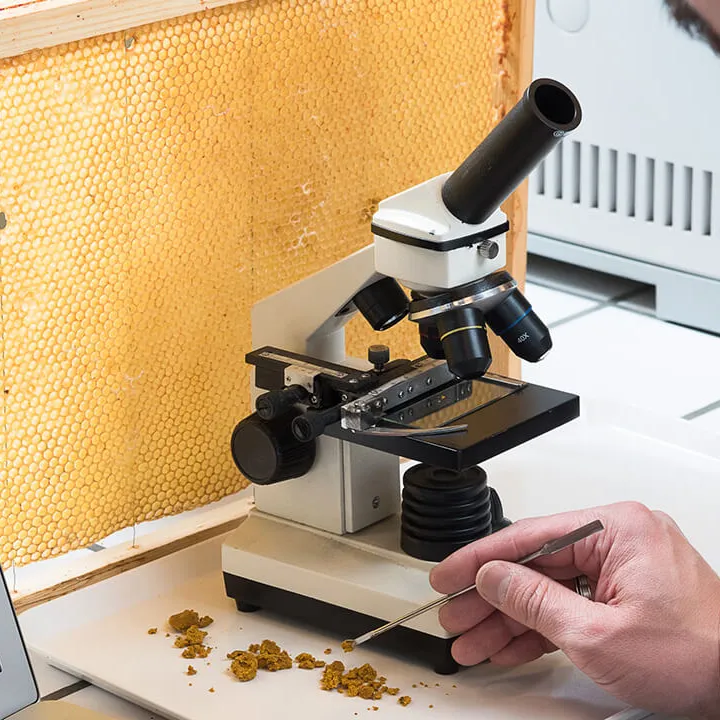
Going back to first principles, they built on two things: Kim’s scientific research — and a clear market need.
As part of his PhD on honeybee decline, Kim had developed a protocol to analyse the presence of agricultural and industrial pollutants and assess ecosystem quality — including plant biodiversity — using honeybees as natural drones that sample an area of 700 hectares on a daily and continuous basis.
At the same time, the water sector approached BeeOdiversity with an unmet need: monitoring extended water catchment areas for pollution risks and biodiversity status — with no existing solution on the market.
BeeOmonitoring was born. It delivered exactly what was needed: multi-parameter environmental data, across large surfaces, at low cost.
Growth and expansion
From water, BeeOmonitoring spread to other sectors — agri-food, real estate, industry, energy, infrastructure, nature restoration, cities — and to other continents. Today, BeeOdiversity operates in 25+ countries. In 2022, BeeOmonitoring was recognised as one of the first 1,000 Solar Impulse Efficient Solutions — a global label for clean, profitable solutions.
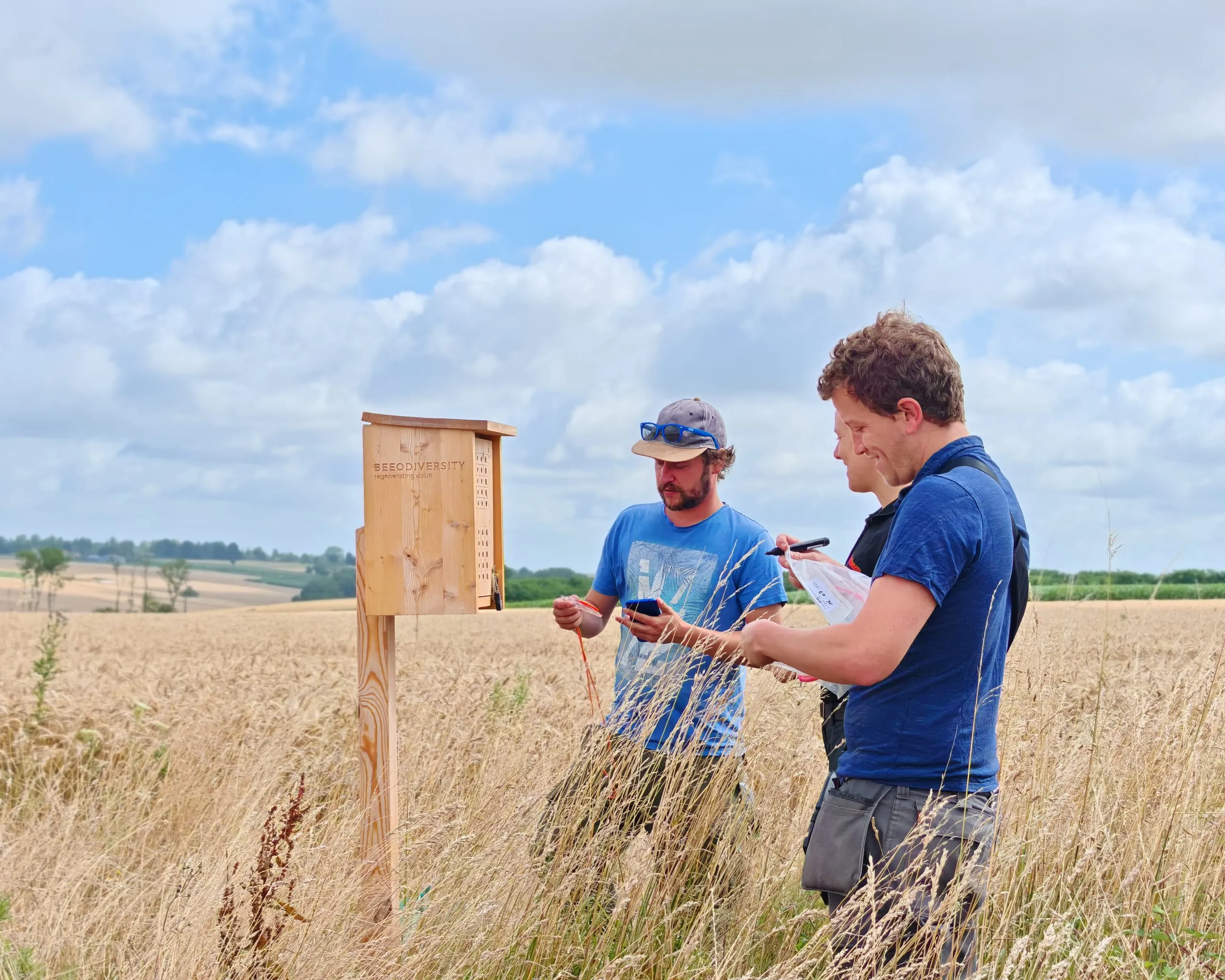
The monitoring and reporting activity expanded into remote sensing with BeeOimpact, into environmental DNA through a dedicated eDNA laboratory, and into new field monitoring solutions — including BeeOtel and BeeOsoil. Both BeeOimpact and BeeOtel were co-funded by the European Innovation Council, confirming BeeOdiversity’s position at the frontier of nature-tech innovation.
Since 2022, BeeOdiversity has extended its scope to strategic consultancy and on-site action — with nature restoration projects, regenerative agriculture programmes and agroforestry initiatives.
Impact at scale
Today, millions of hectares are monitored each year via remote sensing, and hundreds of thousands through field-based solutions. This real-world impact was recognised early on: in 2015, Kim became an Ashoka Fellow — one of the world’s most selective recognitions for social entrepreneurs.
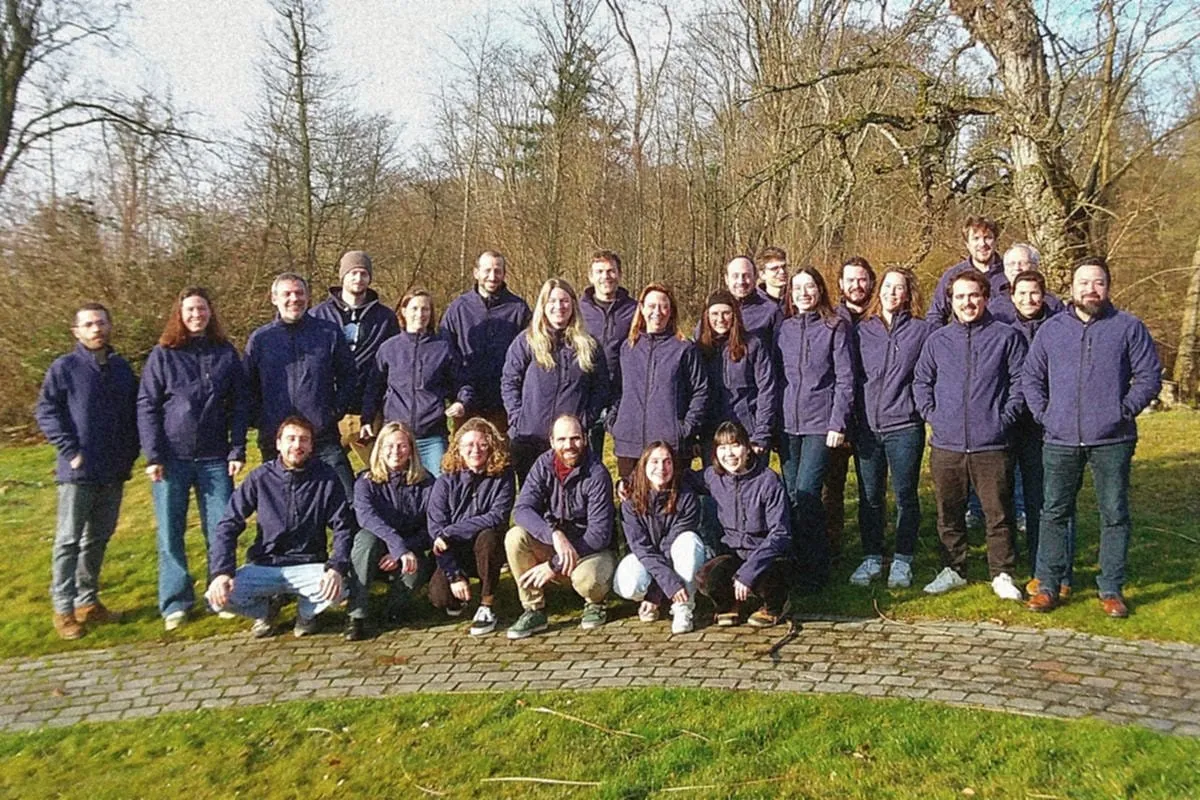
But the greatest achievement? Building a family of 35+ BeeOmembers, 100+ BeeOcontributors on projects around the world, and 200+ clients for whom we create measurable value — every day.