
Agriculture : Understanding the continuum from conventional to regenerative

Credits dendoktoor
From highly input-dependent systems to approaches focused on ecosystem restoration, each agricultural method influences soil health, biodiversity, climate resilience, and long-term productivity in different ways.
This article explores the main agricultural approaches along this continuum and provides simple, concrete examples of how farms can move toward more sustainable and nature-positive practices.
The 6 main agricultural types from least to most sustainable
1. Conventional or industrial agriculture
Conventional agriculture prioritises maximising short-term yields and economic efficiency by using high levels of synthetic fertilisers, pesticides, mechanisation, monocultures, and intensive tillage (frequent or deep ploughing of the soil). Its core practice is reliance on external chemical inputs to achieve predictable, high output across large areas1.
While this system has supported global food production, it often degrades soil health, reduces biodiversity, and contributes significantly to greenhouse gas emissions through energy-intensive practices2.
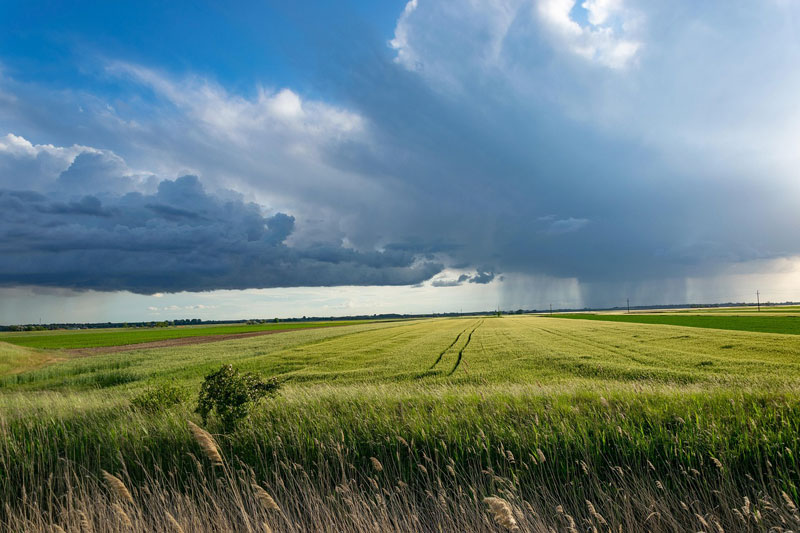
Monoculture: credits Konyvesotto
1 final_position-paper_regenerative-agriculture_v3-final.pdf
2 Synergistic conservation approaches for nurturing soil, food security and human health towards sustainable development goals – ScienceDirect
2. Improved conventional or efficiency-based agriculture
It can lower input use and environmental harm compared with conventional methods. However, the underlying reliance on synthetics persists, and systemic soil and biodiversity issues remain largely unaddressed.
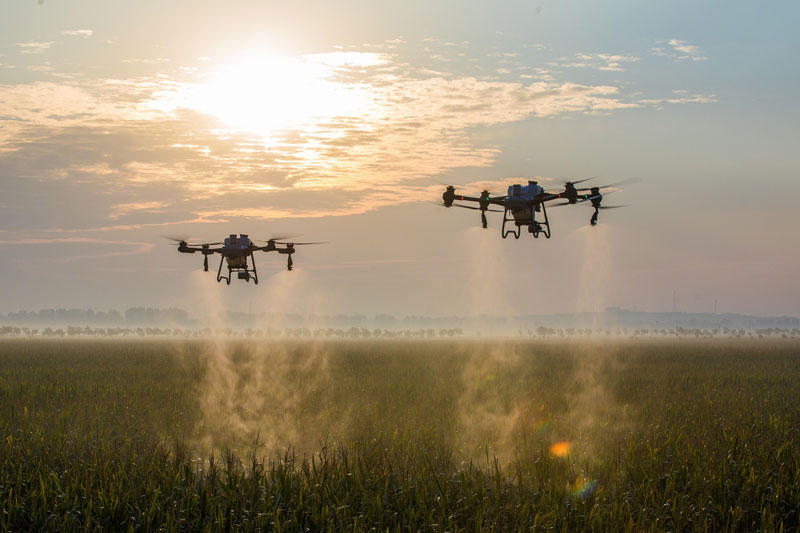
Targeted pesticide application : credits Lxz2208180358
Get started: By applying pesticides only where and when pests are present, farmers can reduce chemical use, protect beneficial insects, cut costs, and maintain stable yields.
3. Sustainable agriculture
Sustainable3 agriculture combines food production with environmental protection. Typical practices include reduced tillage, crop rotations, improved nutrient management, and moderate use of agroforestry. It aims to balance production with ecological protection.
These systems typically improve soil quality and reduce pollution, but they do not transform the entire system, as they still rely on some external inputs.
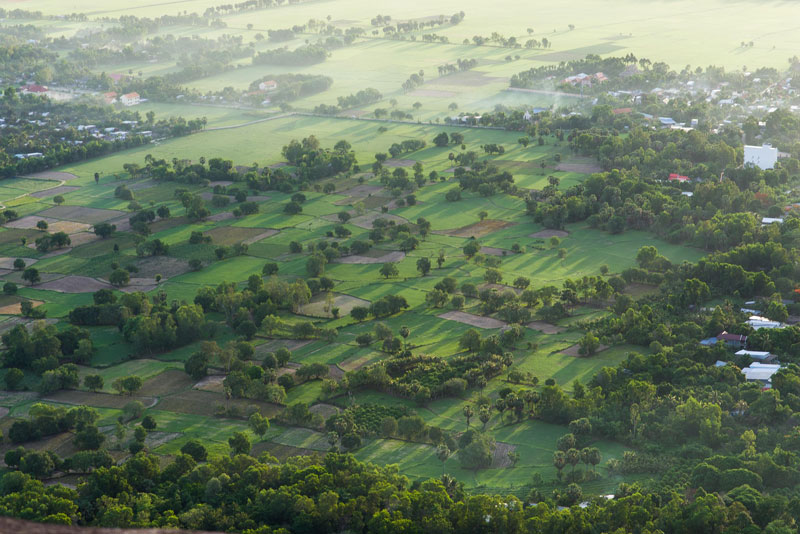
Get started: By introducing small agroforestry elements, such as trees or shrubs within fields, farmers can improve soil structure, enhance biodiversity, support pollinators, and manage water and nutrients more naturally.
3 What is sustainable agriculture? | Sustainable Agriculture Research & Education Program (UC Davis)
4. Agroecological agriculture
Agroecological systems often show higher resilience, improved soil health, increased biodiversity, and lower dependency on external inputs than conventional or standard sustainable systems.
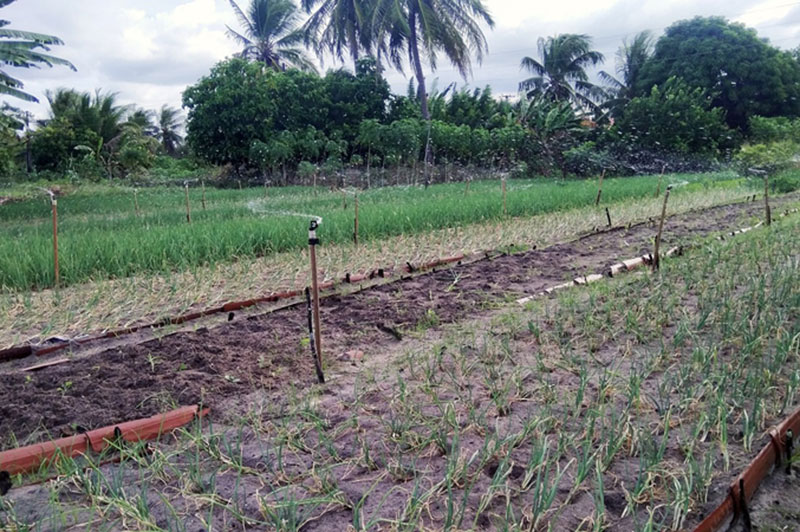
Get started: By planting polycultures, farmers can reduce pest pressure naturally, improve nutrient cycling, and stabilise yields through increased biological diversity.
5. Organic or biological agriculture
Organic farming generally improves biodiversity and reduces pollution compared with conventional systems. However, outcomes depend on management choices, as mechanical tillage and external organic inputs are still commonly used.
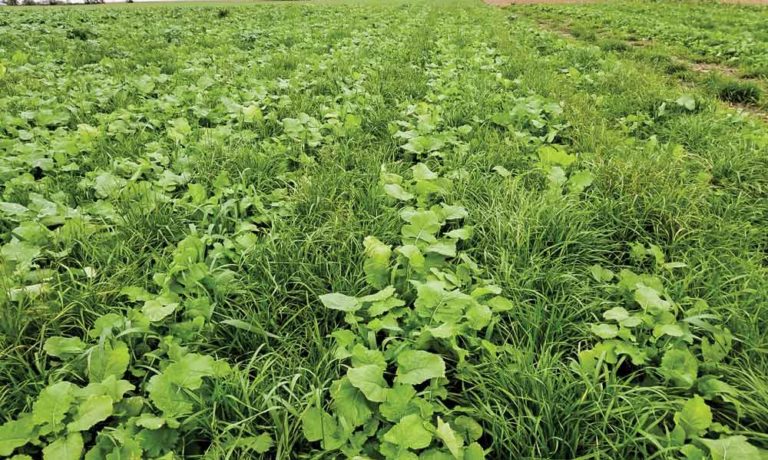
Get started: By planting cover crops in the off-season, farmers protect soil from erosion, increase organic matter, suppress weeds, and improve soil fertility for future crops.
5 – The four principles of organic agriculture | IFOAM – Frontiers | agroecological approaches to sustainable development
6. Regenerative agriculture
Regenerative agriculture6 aims to actively restore ecosystems functions within agricultural landscapes. Common practices include minimal or no tillage, cover crops, diverse crop rotations, and livestock integration.
Although definitions vary, regenerative practices often overlap with agroecological and organic methods, but with an explicit emphasis on ecosystem outcomes, soil carbon sequestration, biodiversity recovery, and long-term resilience7.
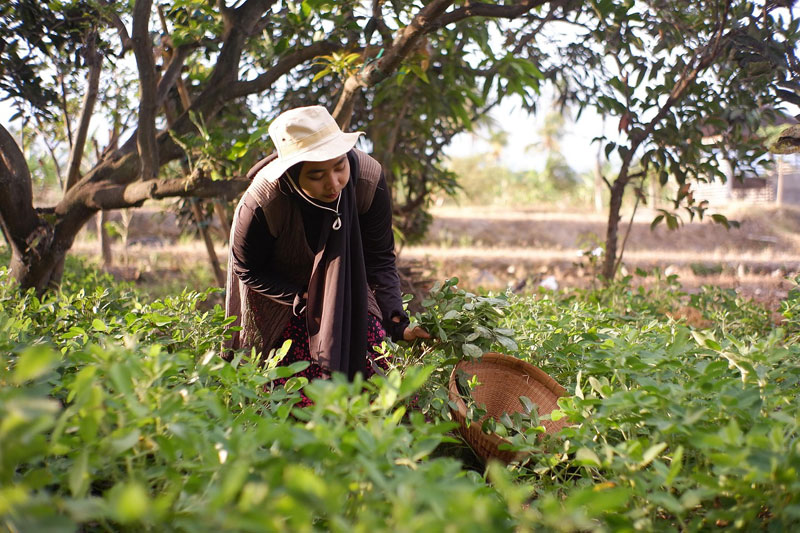
Regenerative agriculture : credits lailieeeee
Get started: By adopting no-till practices, farmers avoid turning the soil. This helps preserve soil structure, protect microorganisms, reduce erosion, and build soil carbon, improving water retention and long-term fertility.
6 Regenerative agriculture—a definition and philosophy – PMC – Global application of regenerative agriculture: a review of definitions and assessment approaches | MDPI
7 Importance of regenerative agriculture: climate, soil health, biodiversity and its socioecological impact | Discover Sustainability
The big picture: The agricultural sustainability continuum
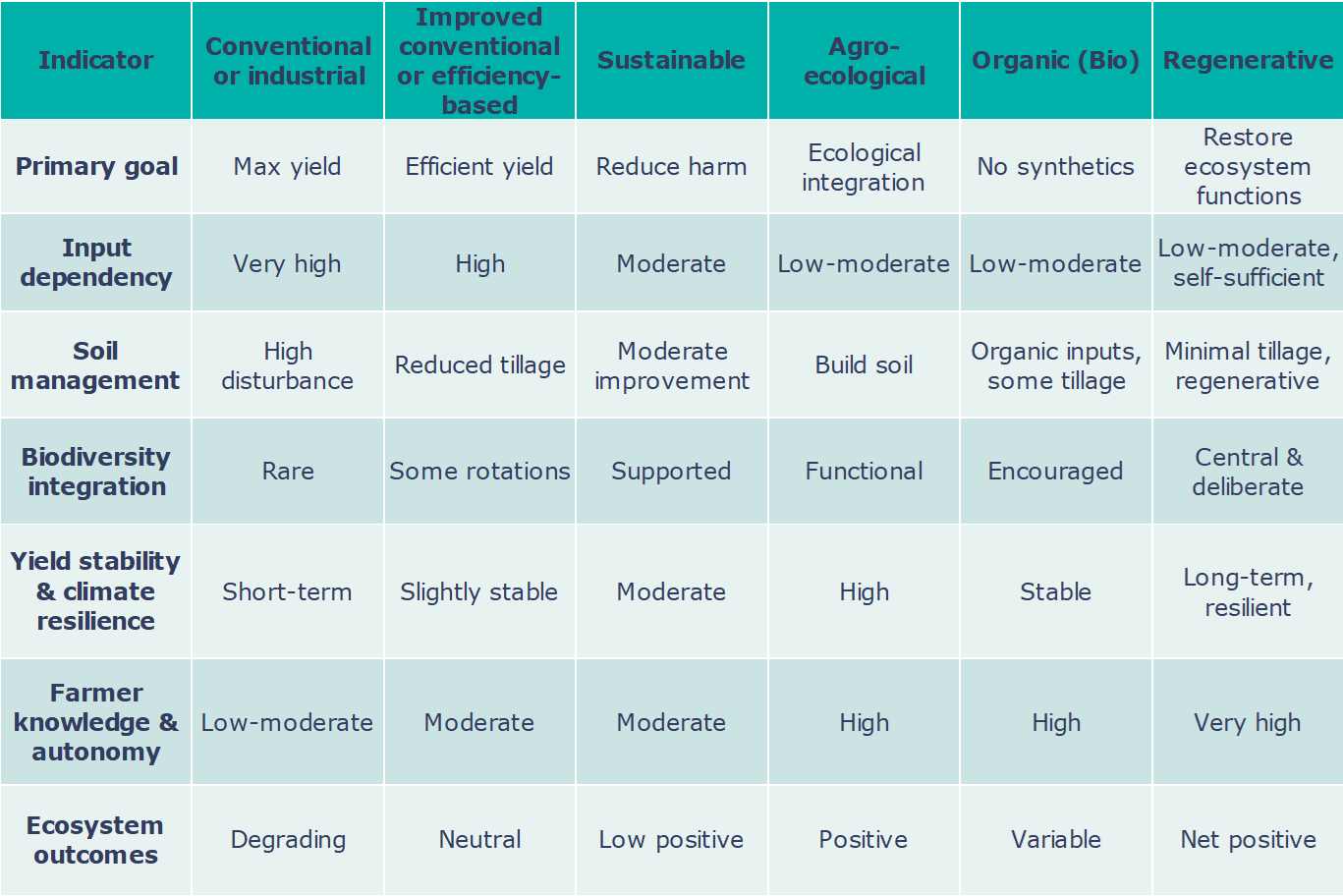
- Primary goal: This reflects the main objective of the farming system: whether it prioritises short-term yields, input efficiency, or the restoration and long-term improvement of ecosystems.
- Input dependency: This indicator measures reliance on external inputs such as synthetic fertilisers, pesticides, and chemical products. Lower dependency often signals more self-sufficient, ecologically integrated systems.
- Soil management: How soil is managed over time has a direct impact on fertility, water retention, erosion, and productivity. Practices such as intense tillage, crop residue management, and organic matter inputs all play a role.
- Biodiversity integration: Biodiversity can be incidental or deliberately integrated. Functional biodiversity supports pollinators, soil organisms, natural pest control, and ecosystem services that underpin agricultural production.
- Yield stability & climate resilience: This measures a system’s ability to maintain yields under stress, such as droughts, extreme weather, or pest outbreaks. More resilient systems are better adapted to climate variability.
- Farmer knowledge & autonomy: Some systems rely heavily on external recommendations and inputs, while others require deeper observation, decision-making, and local knowledge from farmers.
- Ecosystem outcomes: This indicator looks at the overall environmental impact of farming practices, including greenhouse gas emissions, soil carbon storage, water quality, and ecosystem health.
Conclusion
Fill in the form an we will get back to you soon.
BeeOdiversity develops projects in several European countries, Switzerland and the United States. Its tools and services can be used the world over.
To contact us from Belgium and abroad : +32 2 428 00 82
Head office :
Avenue Arnaud Fraiteur 15-23
1050 Brussels, Belgium
Like the idea of working with us ?



0 Comments