
EU Soil Law 2025: What it means for biodiversity, agriculture and business
Credits Dusan Cvetanovic
What is the EU Soil Law?
Europe’s first legal framework for soil health
The EU Soil Law creates a shared EU-wide definition of “healthy soil” and establishes a framework for monitoring, assessing and managing soil health across all Member States. It applies to all soil types — agricultural land, forests, urban soils and natural areas.
The directive does not ban farming practices or impose land-use restrictions. Instead, it focuses on three pillars:
- Monitoring: standardised EU-wide soil health indicators
- Knowledge-building: a shared understanding of soil risks
- Long-term risk management: identification and remediation of contaminated sites
Why does Europe need an EU Soil Law?
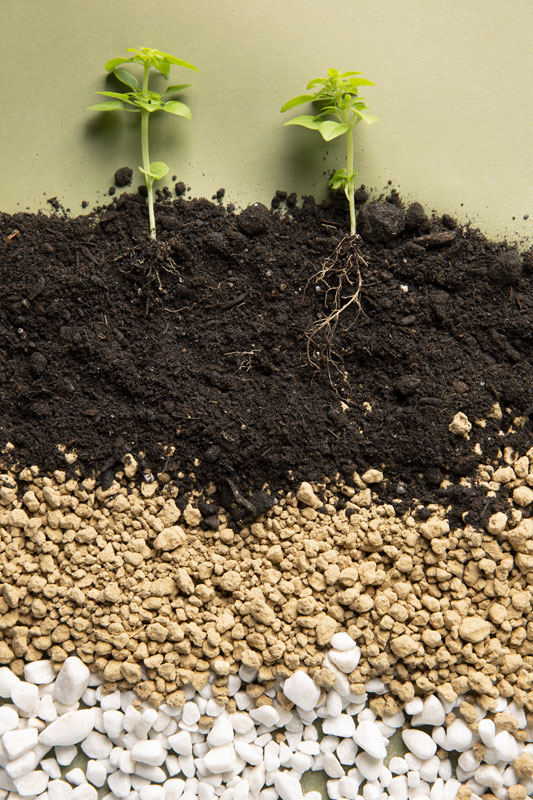
Soil is the most biodiverse ecosystem on Earth. Around 59% of all known species depend on soil for at least part of their life cycle (PNAS, 2023). Yet soil has long been invisible in sustainability and policy debates.
Today, 60-70% of EU soils are considered unhealthy, affected by erosion, compaction, contamination, loss of organic matter and declining soil biodiversity (European Commission, 2023). The consequences are systemic:
- Degraded soils store less carbon and retain less water, increasing vulnerability to droughts and floods.
- Declining soil life disrupts nutrient cycles and weakens entire ecosystems.
- Soil degradation costs the EU more than €50 billion per year in lost ecosystem services, reduced agricultural yields and greater climate-related damage (European Commission, 2023).
While EU law has long protected air and water, soil protection remained fragmented. The EU Soil Law closes this gap, placing soil alongside air and water as a legally protected natural resource.
Credits: Freepik
Key milestones and timeline of the EU Soil Law
Key milestones
- 2021: EU Soil Strategy for 2030 sets the political vision for soil health.
- 2023: European Commission proposes the Soil Monitoring and Resilience Directive.
- Sep-Oct 2025: Council and Parliament adopt the directive.
- 16 December 2025: EU Soil Law enters into force.
- 16 December 2028: Member States must transpose the directive into national law and set up monitoring systems.
- 16 December 2031: First EU-wide soil health assessment published.
Credits Bianca VanDijk
Who does the EU Soil Law affect?
Directly affected: member states and public authorities
Member States carry the primary legal obligations under the EU Soil Law. They must:
- Establish national soil monitoring systems using EU-defined indicators.
- Assess soil health and identify soil risks.
- Identify and manage potentially contaminated sites.
- Report soil health data to the European Commission.
Credits Freepik
Indirectly affected: agriculture, forestry and land-based sectors
Not directly affected, but impacted in some way: individual farmers and most businesses
EU Soil Law and the European Green Deal: the bigger picture
Fill in the form an we will get back to you soon.
BeeOdiversity develops projects in several European countries, Switzerland and the United States. Its tools and services can be used the world over.
To contact us from Belgium and abroad : +32 2 428 00 82
Head office :
Avenue Arnaud Fraiteur 15-23
1050 Brussels, Belgium
Like the idea of working with us ?



0 Comments